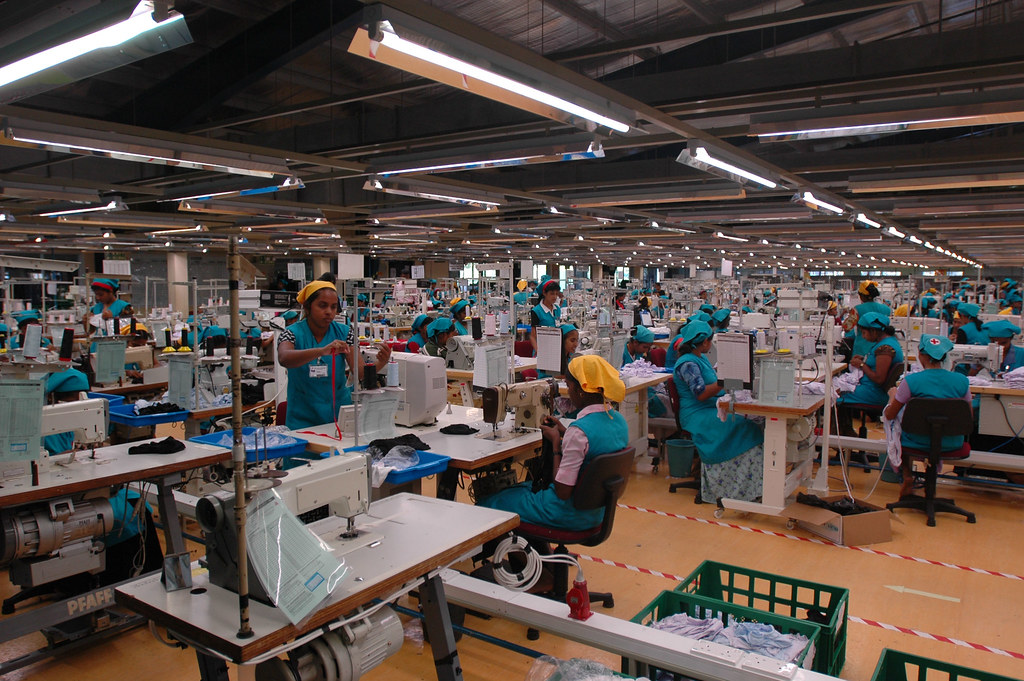
The Indonesian paradise of Bali, this Indochinese island utopia known for its awe-inspiring views, vibrant culture, and welcoming reception, has transformed into beyond being just one tourist destination. In recent years, it has surfaced as the epicenter of worldwide clothing sector, presenting a unique blend of time-honored skills and cutting-edge creativity. This piece examines how the Bali garment industry has evolved Bali garment sector and the part it plays in conserving cultural heritage while meeting international requirements.
The tale of story of Bali’s apparel trade commences with its abundant cloth heritage, firmly rooted in the island’s tradition. For ages, natives of Bali craftspeople have always been mastering the skill of fabricating and tinting, creating detailed patterns and arrangements that mirror Balinese religious faith and day-to-day life. The traditional ikat and wax-resist methods, characterized by their intricate patterns and vibrant shades, have consistently been handed down through generations.
While the Balinese island opened its gateways to the international community, the island’s talented artisans recognized the business potential of their work. What was once a small-scale trade evolved into a booming apparel industry. Local weavers and craftsmen joined forces with business owners to set up small textile companies. This shift marked the start of Balinese journey into the global style scene.
A distinctive feature of the distinctive aspects of the island’s apparel business is its dedication to protecting the island of Bali’s unique visual attribute. The Balinese island’s garments are more than just goods; they are wearable works of art that narrate an account. Time-honored designs drawn from the natural world, mythic lore, and faith are merged into current designs, creating an amalgamation of bygone and present.
During a time when environmental responsibility is of utmost importance, the island’s garment industry has also made meaningful strides. Numerous local Bali brands are committed to eco-friendly practices. Organic colorants extracted from plants and age-old coloring methods minimize the carbon footprint. Additionally, local craftspeople use organic materials, making sure that production is environmentally sustainable.
What distinguishes the Balinese island’s apparel business unique is its emphasis on handcrafted craftsmanship. Every piece is handcrafted with meticulous meticulous attention to details. The island’s craftsmen are proud in their craft, guaranteeing that every single clothing fulfills the highest standards of excellence. This commitment to craftsmanship is more than just an affirmation to their skill but also an indication of the island’s robust sense of community and custom.
Whilst the Balinese island’s clothing sector still is deeply rooted in its heritage, it has also grown its horizons globally. This has transformed into an in-demand place for worldwide designers and brands searching for to collaborate with Balinese artisans. This fusion of global design sensibilities and native Balinese craftsmanship has resulted in an assorted variety of goods that draw in to a broad spectators.
Just like any industry, Bali’s garment sector encounters its share of obstacles. The current COVID-19 global health crisis upset global supply chains, influencing production and revenue. Additionally, the fierce character of the sector means that enterprises must incessantly innovate and adapt to evolving customer choices.
Nonetheless, these hurdles have additionally stimulated creativity and adaptability within the apparel business. Many companies have adopted e-commerce platforms, permitting them to get to a broader spectators beyond Bali’s limits. Additionally, partnerships with international organizations and initiatives promoting ethical trade have aided tackle societal and economic problems within this field.
As the island’s clothing sector perseveres to evolve, there is a mutual commitment to preserving Bali’s ethnical tradition. Craftspeople and entrepreneurs acknowledge the importance of transferring time-honored methods to the next generation. Educational workshops and training programs have been established to assure that the art of weaving and dyeing thrives for years to come.
To sum up, Bali’s garment industry is an enchanting mixture of custom and innovation. It not only displays Bali’s rich cultural heritage but also reveals its ability to adjust to the ever-changing global fashion environment. Balinese artisans and entrepreneurs have woven a tapestry that relates the narrative of Bali, and in the process, they have created a heritage that surpasses borders and time.
 Asila Rahma