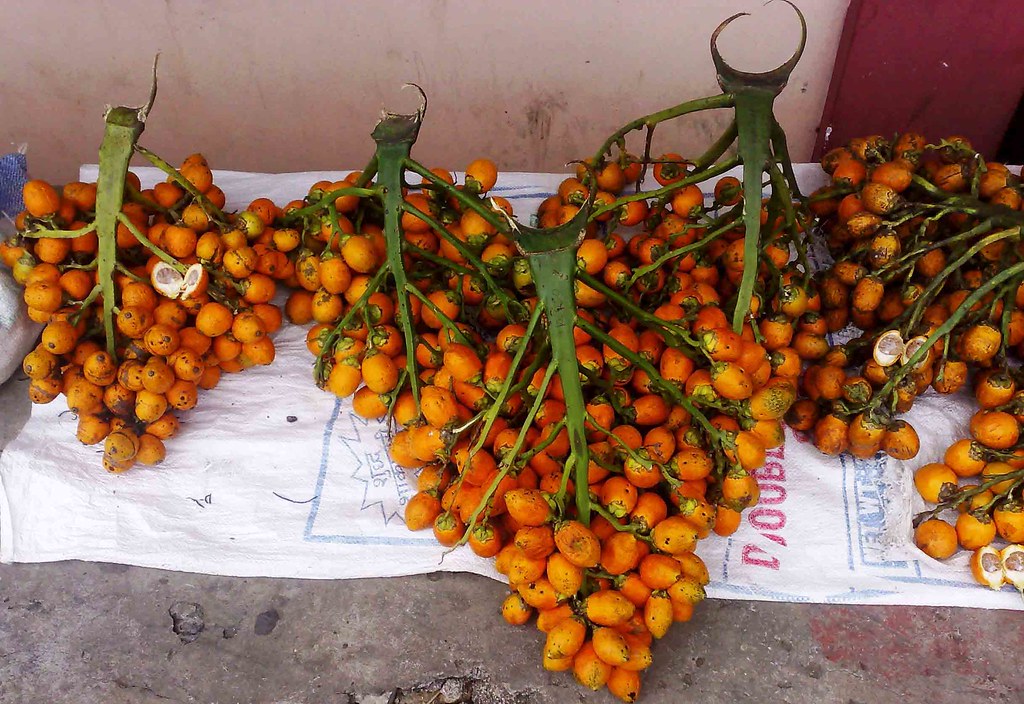
Betel seed, usually referred to as Areca nut, stands as the kernel of the Betel palm palm tree and plays an crucial role in the custom and financial system of various nations in Asia. The nut is consumed by chewing for its energizing benefits, especially when paired with paan leaf (a combination of betel vine and slaked lime) or chewing tobacco. Indonesia, as it is one of the main manufacturers of betel seeds, has developed into a significant player in the worldwide trade network for this commodity.
Throughout the country of Indonesia, chewing Areca seed, known locally as “sirih pinang,” possesses a long tradition. It commonly used in ceremonies, group assemblies, and medical treatments. Across rural areas, mainly in Sumatra, the island of Kalimantan, and Sulawesi, the tradition of consuming Areca nut remains firmly entrenched. The seed bears social and cultural significance, typically being used as a mark of welcoming or featured in conventional events, like weddings.
Financially, growing betel nuts provides a source of income for numerous small-scale farmers, especially in areas for instance the Aceh region, the province of West Sumatra, and the northern region of Sulawesi. For local communities, betel nut suppliers in Indonesia as an important economic product, supplementing their revenues and playing a crucial part in the economy of the region.
The nation of Indonesia’s warm, tropical conditions, nutrient-dense soil, and long coastal areas create the perfect conditions for Areca trees to thrive. The agricultural practice follows basic steps and requires significant labor, involving planting seedlings, tending palm plantations, and picking the Areca nuts after approximately five years. Once harvested, the Areca nuts are generally dried, parboiled, or fermented, depending on the regional practices and the consumer demand.
The Indonesian betel nut industry has a varied distribution network, involving small-scale farmers, area traders, distributors, and export companies. At times, Areca palm seeds can be sold fresh, but usually, they undergo drying to ensure a longer storage time and to meet the requirements of overseas markets.
International demand for betel nut, especially in places for instance the country of India, Pakistan, the island of Taiwan, and other regions in Southeast Asia, continues to rise in the past decade. Betel nut is greatly desired in those nations, where betel chewing is still a social practice, in spite of the increasing recognition of its associated health dangers. India in particular is the top importer of Areca nuts from Indonesia. The seeds are prepared in multiple ways, including intact nuts, split nuts, or in a powdered state, according to the demands of the local market. The consumption of betel nut in traditional paan preparations is still common in the region of India, and Areca nut from Indonesia is frequently chosen for its superior quality and abundance.
Taiwanese territory is another emerging market for Areca nuts from Indonesia, where the tradition of betel nut consumption is frequently observed, especially among individuals in remote regions. Traders in Taiwan favor over Indonesian betel nuts due to their more affordable prices compared to domestic production. Despite the high earning potential of the betel seed market, suppliers from Indonesia face several hurdles in broadening their sales territories and enhancing their logistics.
Over the past few years, healthcare studies have correlated habitual chewing of betel nuts with mouth cancers and other health problems, eliciting anxieties about its potential risks. This has resulted in some places adopting more stringent regulations or in some cases cessations on the sale and consumption of betel nut items. For instance, the Taiwanese government has introduced initiatives to curb betel nut chewing because of growing occurrences of mouth cancers. Indonesian suppliers, thus, must deal with the difficulty of managing these regulations while sustaining their international markets.
Even though the Indonesian betel nut industry is large, it does not have consistent quality control standards and uniform processes. This may result in uneven quality of products, which harms its international reputation. Certain suppliers have commenced adopting more stringent selection, grading, and packaging standards to guarantee consistency, but the overall sector still has potential for advancement.
As with many farming products, the cultivation of betel nuts raises concerns about forest loss and environmental degradation. In various locations, Areca palm plantations have spread into previously wooded regions, leading to a loss of biodiversity and disruption of habitats. Addressing these sustainability issues is essential for the long-term viability of the industry.
The country of Indonesia is definitely not the sole country producing betel nut. Various Southeast Asian regions, such as Thailand, Myanmar, and Sri Lanka, in addition have flourishing Areca nut sectors. Suppliers from Indonesia must keep a competitive edge by guaranteeing high-quality products, efficient supply chains, and advantageous pricing to hold their presence in the worldwide market.
Regardless of the challenges, the future remains encouraging for Indonesian Areca nut market. The global market for betel seed is anticipated to stay robust due to the firmly established practices of customers in major markets. While countries like India and Taiwan persist to want superior betel nuts, producers in Indonesia are favorably positioned to satisfy this need.
To ensure continued growth, suppliers of betel nuts in Indonesia are emphasizing innovating their production techniques, improving quality assurance, and venturing into different markets. Some organizations are investing in technology and infrastructure to streamline their processes and improve productivity. Additionally, there is growing interest in sustainably produced and environmentally friendly products, which could present fresh opportunities for suppliers in Indonesia willing to adopt environmentally friendly methods.
The Indonesian betel nut industry is a major factor to both the local and world economy. It delivers jobs to countless independent farmers and meets the requirements of overseas markets, particularly in the nation of India and Taiwan. However, issues such as health concerns, regulatory issues, and market competition must be tackled for the industry to prosper in the future. By concentrating on environmental sustainability, quality assurance, and innovation, Indonesian betel nut suppliers can persist to play a vital role in the global logistics.
 Asila Rahma